🔒 Welcome to the Smart Age — But at What Cost?
In 2025, almost everything in our homes is connected to the internet — smart speakers, TVs, cameras, doorbells, fridges, even toothbrushes.
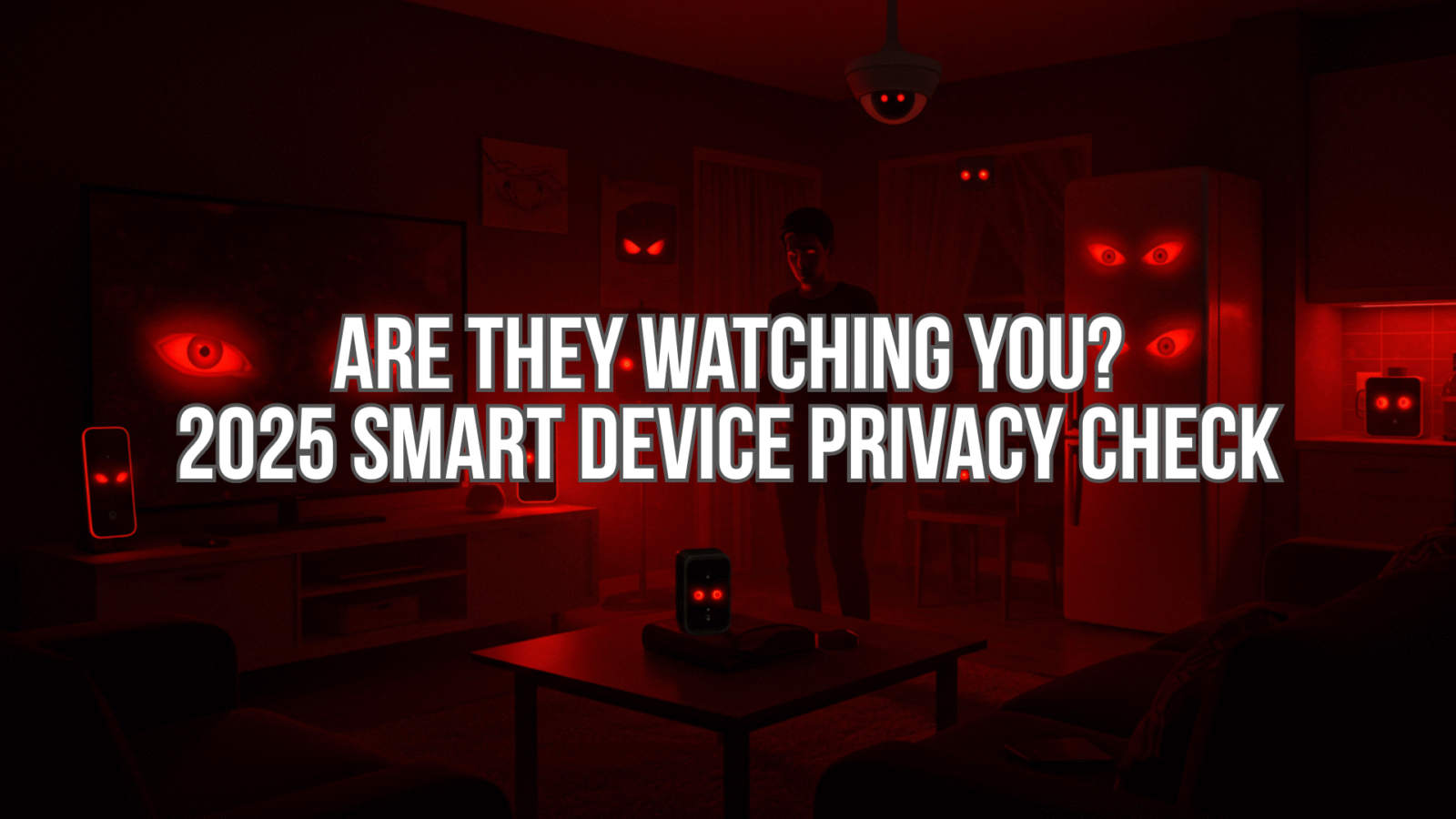
These devices promise convenience, automation, and control — but there’s a growing concern:
Are they listening, watching, or collecting more than they should?
This article breaks down how smart devices may be invading your privacy — and what you can do to protect yourself.
📱 What Counts as a “Smart Device”?
Smart devices are everyday electronics that connect to the internet or a network to automate tasks and gather data. Common ones include:
- Smart speakers (like Alexa or Google Home)
- Smart TVs
- Home security cameras
- Smartphones and wearables
- Connected appliances (fridges, thermostats, vacuums)
- IoT health trackers and even smart toys
They learn from your behavior — and that’s where things get tricky.
👀 What Data Are They Collecting?
Most smart devices collect data to “improve user experience.” But in reality, they gather:
- Voice recordings
- Location history
- Usage patterns
- Health and fitness info
- Facial recognition data
- Browsing and app activity
- Connected device logs
Some data is stored locally, but much of it is sent to cloud servers — often without you realizing how much.
🚨 Real Privacy Risks in 2025
Smart devices are not just collecting — they’re sharing. Here’s what’s really happening behind the scenes:
- Voice assistants may record background conversations
Even when you haven’t said “Hey Siri” or “Alexa,” devices sometimes trigger accidentally. - TVs track what you watch
Many smart TVs now monitor your viewing habits and sell the data to advertisers. - Security cams upload footage to third-party servers
Some cloud-based cameras have had data breaches exposing personal home footage. - Apps connected to smart devices ask for excessive permissions
A simple flashlight app doesn’t need your contacts — yet some request them anyway. - Manufacturers often sell user data
It’s in the fine print. Free updates or services often come at the cost of your privacy.
🧠 Quick Privacy Check: Are You at Risk?
Ask yourself:
- Have you reviewed the privacy settings on your devices?
- Do you know what data your smart speaker stores?
- Are your devices always on — even when you’re not using them?
- Do you regularly update your device firmware?
If you answered “no” to any of those, you may be vulnerable.
🛡️ How to Protect Yourself in 2025
You don’t need to throw your devices away. But here are simple steps to regain control:
- Review permissions on every smart device and connected app.
- Mute voice assistants when not in use (or unplug them).
- Turn off “always listening” features in your settings.
- Use guest networks for smart devices to isolate them from your main data.
- Keep firmware updated to patch security flaws.
- Avoid “cheap” unknown brands — they often cut corners on data privacy.
- Read the privacy policy — yes, at least skim it.
- Disable features you don’t use.
Bonus tip: Physically cover your camera when not in use. It’s low-tech, but effective.
🔍 Final Thoughts
In 2025, smart devices are part of life — but your privacy doesn’t have to be the price.
By staying aware and taking small precautions, you can enjoy smart tech without being watched, listened to, or profiled.
Stay smart. Stay secure.
“Don’t Just Read—Protect Yourself Now”
While you’re sipping coffee (or whiskey), hackers could be watching your traffic like it’s a free movie. Creepy, right? A VPN shields you from prying eyes, hides your location, and locks down your data—whether you’re on public Wi-Fi or just checking email at home.
👉 Click here to get instant protection with NordVPN
Because peace of mind shouldn’t be optional.