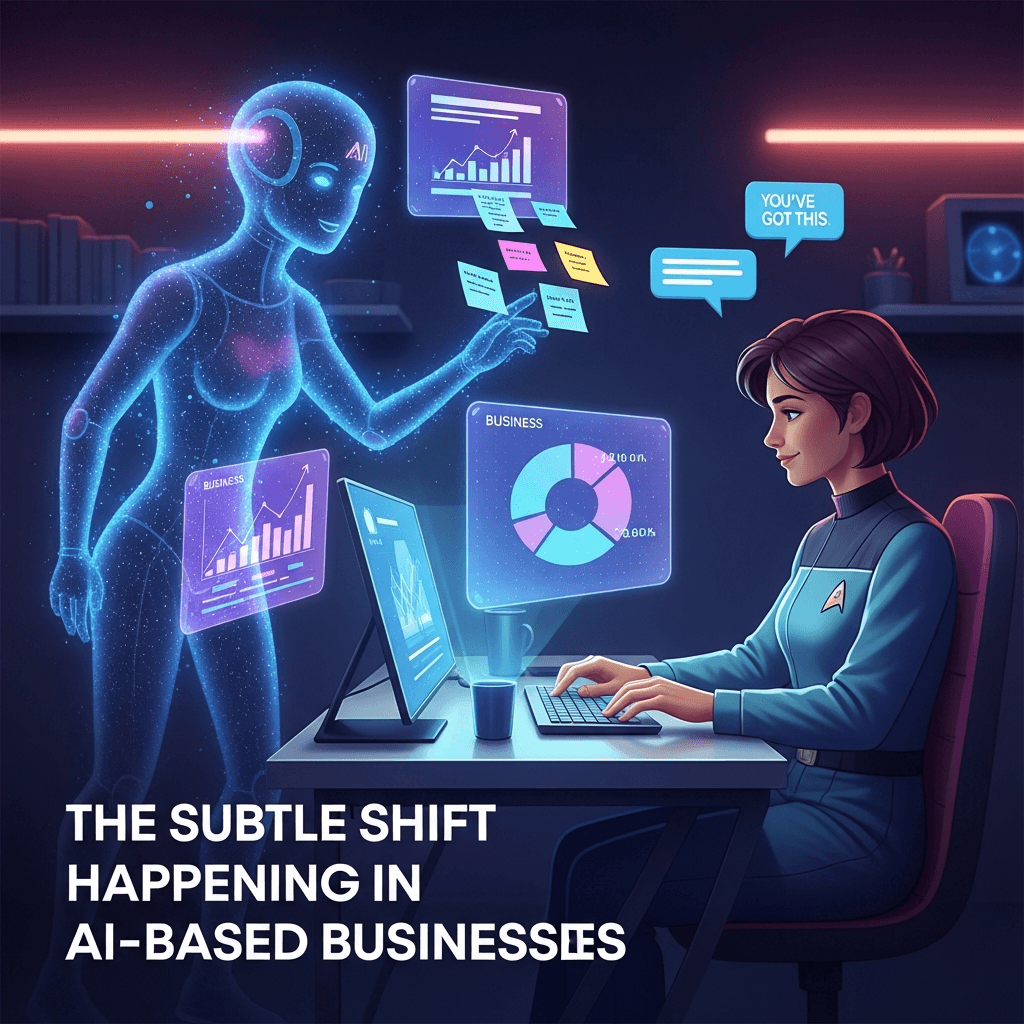
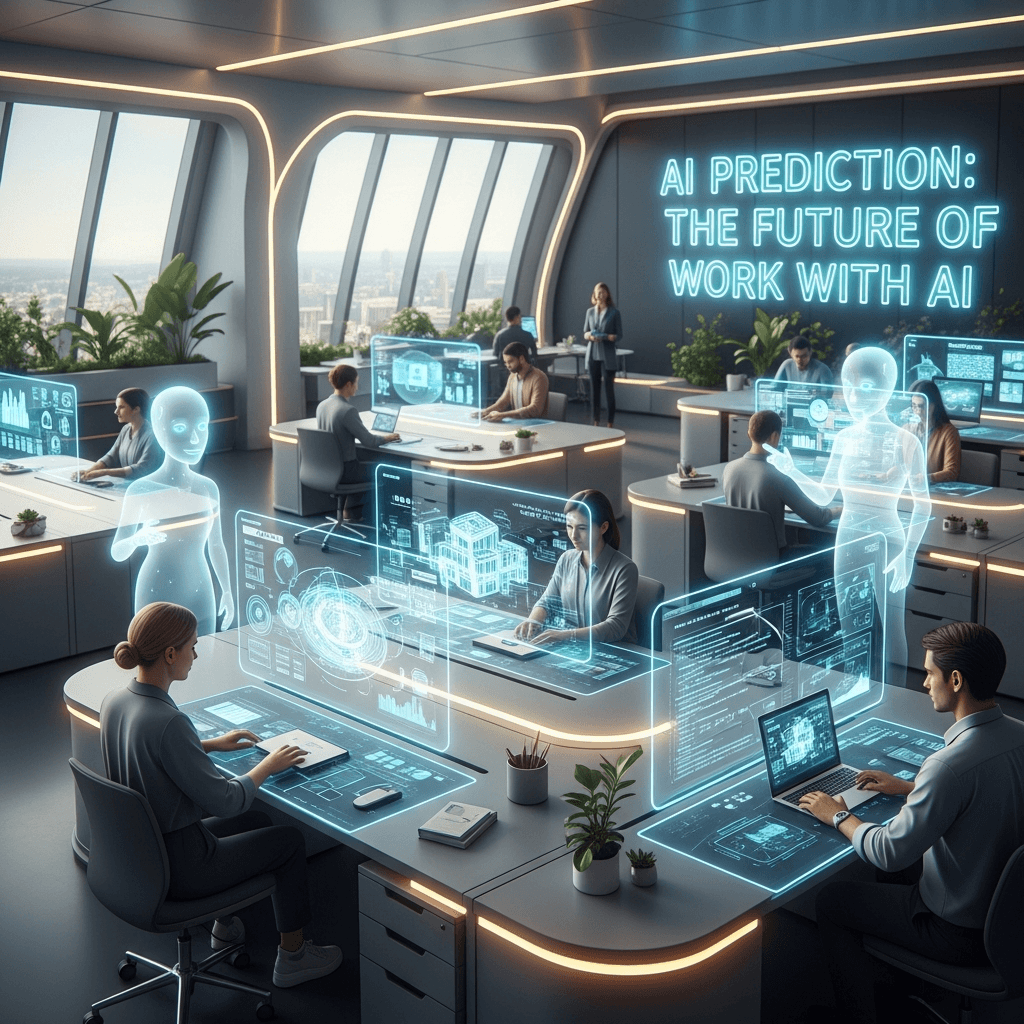
The office of the future might not have cubicles — it might not even have coffee breaks. Instead, imagine this: you start your day with an AI coworker who knows your mood, organizes your to-do list, and even reminds you to breathe before your 9 A.M. meeting.
AI is set to reshape how we work — not by replacing humans entirely, but by changing what “work” even means. Routine tasks will fade away, replaced by creativity, decision-making, and problem-solving. Your “assistant” could draft reports, summarize meetings, or even help brainstorm product ideas that fit your company’s tone better than you could describe it yourself.
But here’s the twist: AI might also bring back something we’ve lost — balance. By automating what drains us, it could leave space for what fulfills us. Instead of endless emails, more time for ideas. Instead of burnout, more time for breaks that actually matter.
Of course, not everything will be smooth. There’ll be fears of job loss, ethical debates, and the awkward phase where humans and machines are still figuring out who does what. Yet, if history’s any guide, every big leap in technology redefines us — and AI might just redefine work as something more human than ever before.