Before AI could paint portraits, write poems, or recommend your next Netflix binge, it was… well, kind of clueless. The early days of artificial intelligence were less Terminator and more “adorable robot trying its best.”
Take ELIZA (1966), the world’s first chatbot therapist. It could only repeat your statements back at you, but people still poured their hearts out to it. You’d say, “I’m feeling lonely,” and ELIZA would reply, “Why do you feel lonely?” — instant pseudo-therapy, no human required. The funniest part? People genuinely believed it understood them. (Spoiler: it didn’t.)
Then came SHRDLU, a 1970s AI that could move blocks around in a virtual world. It couldn’t do much else, but it took commands like, “Put the red block on the blue block,” and actually did it. For scientists, that was magic. For SHRDLU, it was Tuesday.
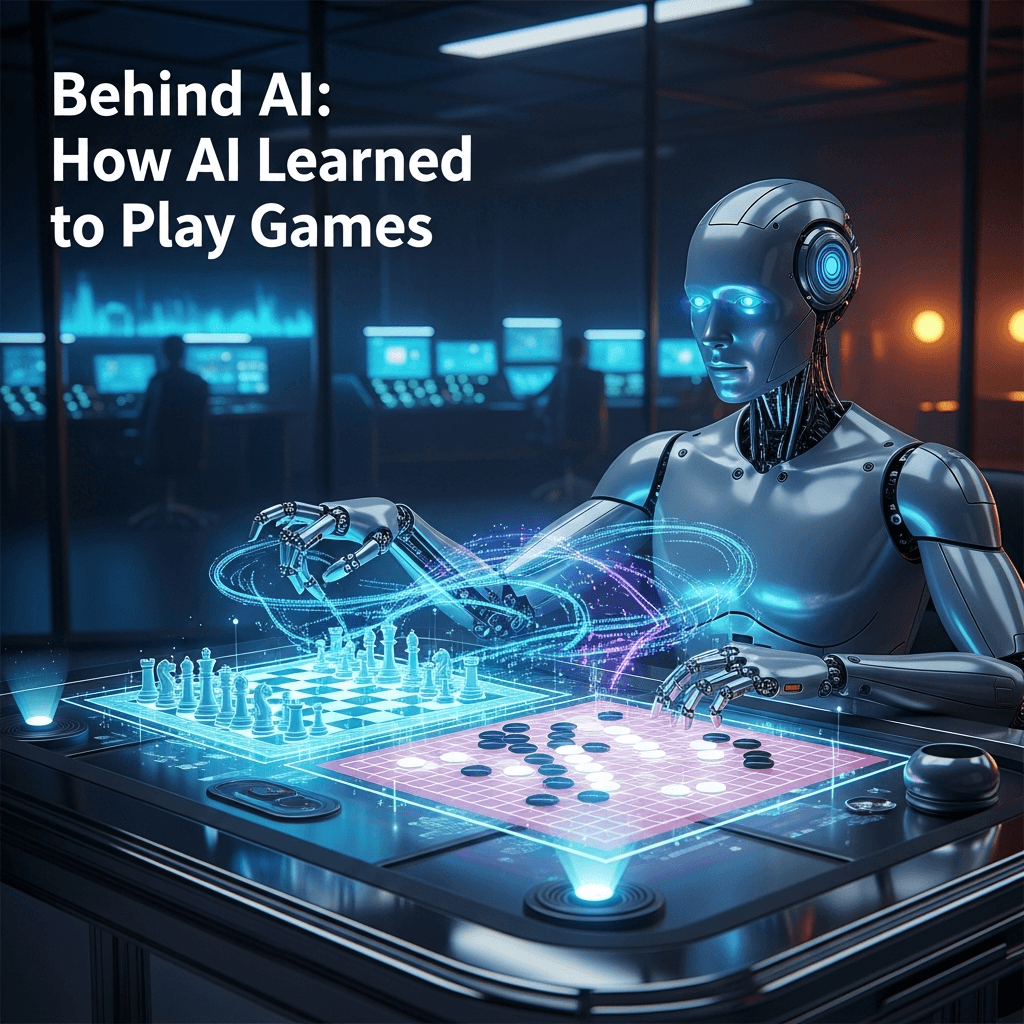
And who could forget Deep Blue, the chess-playing computer that defeated world champion Garry Kasparov in 1997? It didn’t “think” like a human — it just analyzed millions of possibilities faster than anyone ever could. Yet that moment changed everything. Suddenly, AI wasn’t a toy — it was a rival.
Looking back, these early AIs were clunky, limited, and sometimes hilariously off-track. But every awkward experiment paved the way for the smart assistants, creative generators, and language models we use today. The future was built on a pile of delightful, nerdy mistakes.