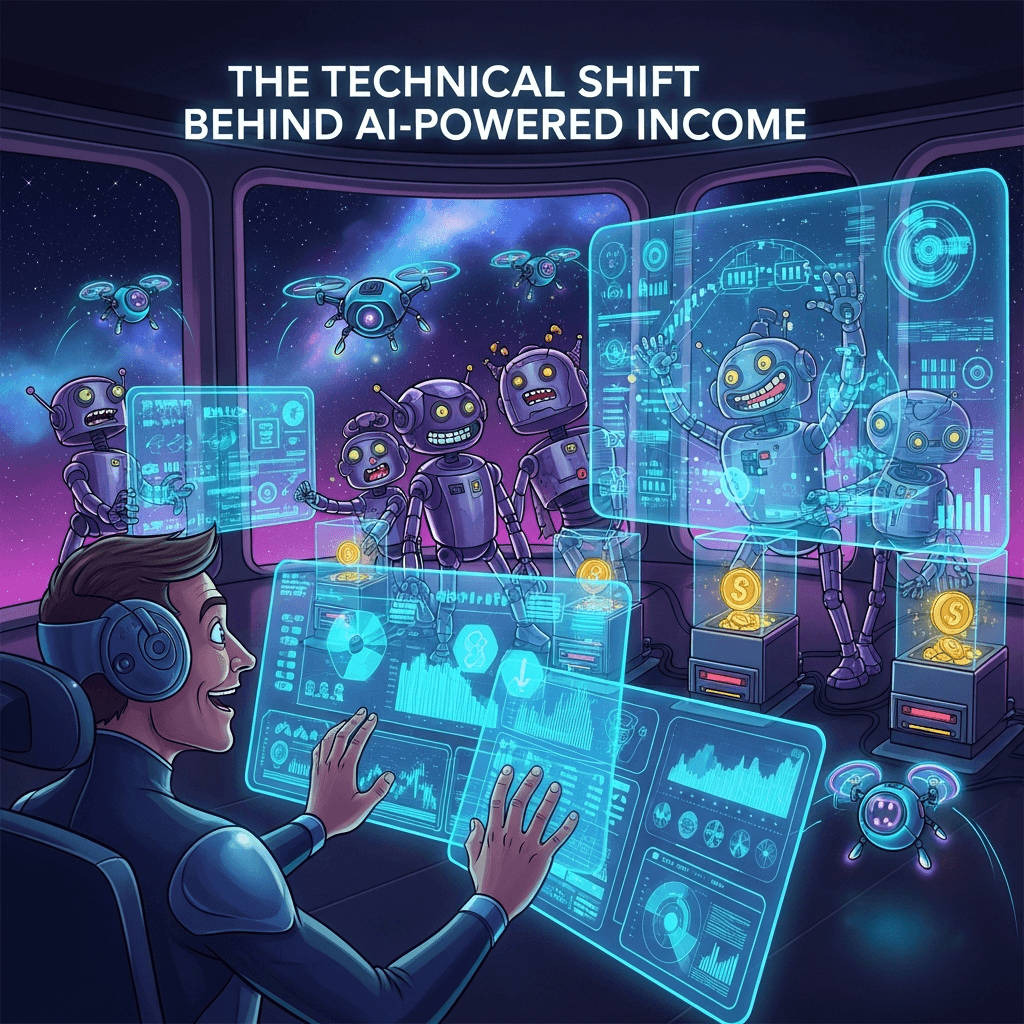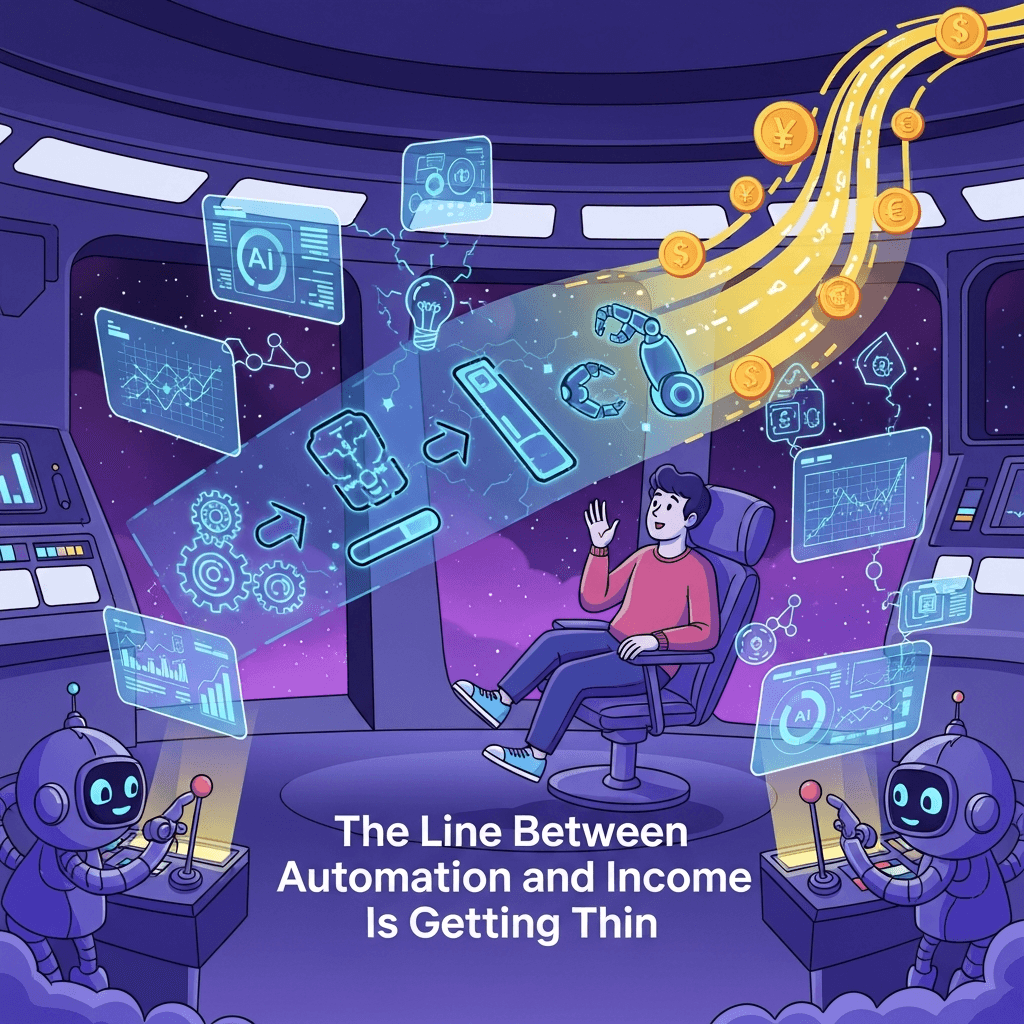

Burnout is real, but ordinary people are quietly using AI to escape it. With one smart workflow, it’s possible to cut massive work hours while keeping income steady — all legally and efficiently.
Meet Alex, a small business owner drowning in tasks: emails, social media, client deliverables — 60 hours a week felt normal.
Then he discovered AI workflow automation:
- ChatGPT drafts emails and content automatically
- AI tools generate graphics, captions, and reports
- Automation platforms handle scheduling, delivery, and follow-ups
With one comprehensive workflow, Alex reduced his workweek to just 20 hours, while his income stayed the same.
Then there’s Nina, who streamlined her side hustle using a similar approach:
- AI curated content and product ideas
- Scheduling and publishing were automated
- Customer interactions were partially handled with AI chat assistants
The result? More time, less stress, and a growing income.
The insight?
Automation with AI isn’t about laziness — it’s about focusing human effort on high-value tasks while AI handles repetitive work.
Ordinary people are quietly transforming their workweeks by stacking AI tools into intelligent workflows, freeing time without sacrificing earnings.
Build Your One-Workflow Automation System
Here’s a simple roadmap:
- List repetitive tasks. Identify what consumes most of your time.
- Select AI tools. ChatGPT, automation platforms, graphics AI, chatbots.
- Integrate into a workflow. Chain tools to handle tasks end-to-end.
- Test and refine. Adjust prompts, automation rules, and scheduling.
- Scale gradually. Add more tasks or clients into the automated system.
With AI, you can stop overworking while keeping your business profitable and scalable.